“Truly, truly, I say to you, whatever you ask of the Father in my name, he will give it to you. . . . Ask, and you will receive, that your joy may be full” (John 16:23–24).
“Truly, truly, I say to you, whatever you ask of the Father in my name, he will give it to you. . . . Ask, and you will receive, that your joy may be full” (John 16:23–24).

“Nevertheless, I tell you the truth: it is to your advantage that I go away, for if I do not go away, the Helper will not come to you. But if I go, I will send him to you. And when he comes, he will convict the world concerning sin and righteousness and judgment: concerning sin, because they do not believe in me; concerning righteousness, because I go to the Father, and you will see me no longer; concerning judgment, because the ruler of this world is judged. . . . and he will declare to you the things that are to come. He will glorify me, for he will take what is mine and declare it to you. 15 All that the Father has is mine; therefore I said that he will take what is mine and declare it to you.”
Almighty God, grant that we who have celebrated the Lord’s resurrection may by Your grace confess in our life and conversation that Jesus is Lord and God . . . .
Our God is the God of history.
“Truly, truly, I say to you, if anyone keeps my word, he will never see death.”
There is a difference between being full and being satisfied.
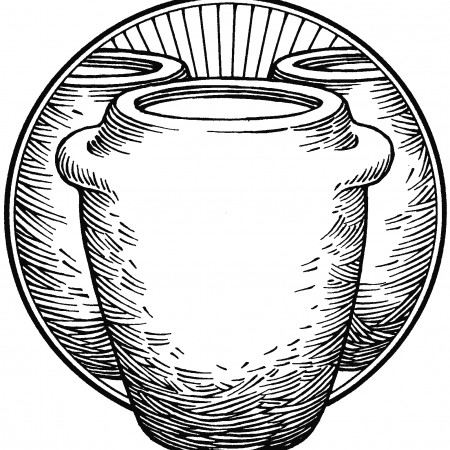
And so it is quite fitting that our Lord’s first sign takes place at a wedding. For in the changing of the water into wine, Jesus shows us what he came to do: to make all things new.
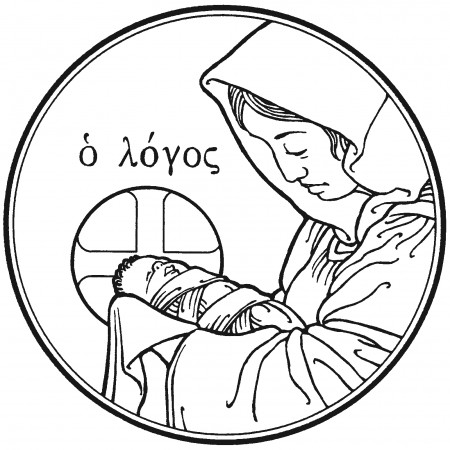
For the Word made Flesh is the only stable thing, the only thing that does not age, wither, and die, the only thing that does not disappoint, in all of Creation. And nothing can ruin that, therefore, nothing can ruin Christmas. The Word became Flesh. We have a Savior. Thanks be to God.
So let our cry continually be sola Scriptura—Scripture is sufficient. And it is sufficient because it is God breathed. It is sufficient because it is God’s Word that does not return to Him empty, but always accomplishes the purpose for which He sends it. It is sufficient because it is the Spirit-filled and life-giving Word of God.
When we speak of grace, we must first ask the question: What is grace? Grace is God’s undeserved favor toward sinners. Grace is God’s unmerited good intention, His loving disposition toward those who have gone astray and are dead in sin and by nature children of wrath (Eph 2:1, 3). Grace, then, is something that resides in God and not in man.